
When you discover your furry best friend has diabetes, it’s pretty much as if the world flips over on its side. All of a sudden, you are stuck with managing insulin regimens, monitoring glucose, and completely overhauling your dog’s diet. But here’s something that might cheer you up: transitioning your dog to fresh pet food might be one of the most powerful management tools you have at your disposal for treating diabetes. Fresh food (not processed kibble loaded with fillers and simple carbohydrates) offers the ability to control nutrition while having fewer blood sugar swings, which could mean less insulin needed.

Try Portland Pet Food Company Fresh Meals on Amazon — human-grade, diabetic-friendly recipes for senior and diabetic dogs.”
Learning about Diabetes in Dogs and What to Feed Them
Types of Diabetes in Dogs
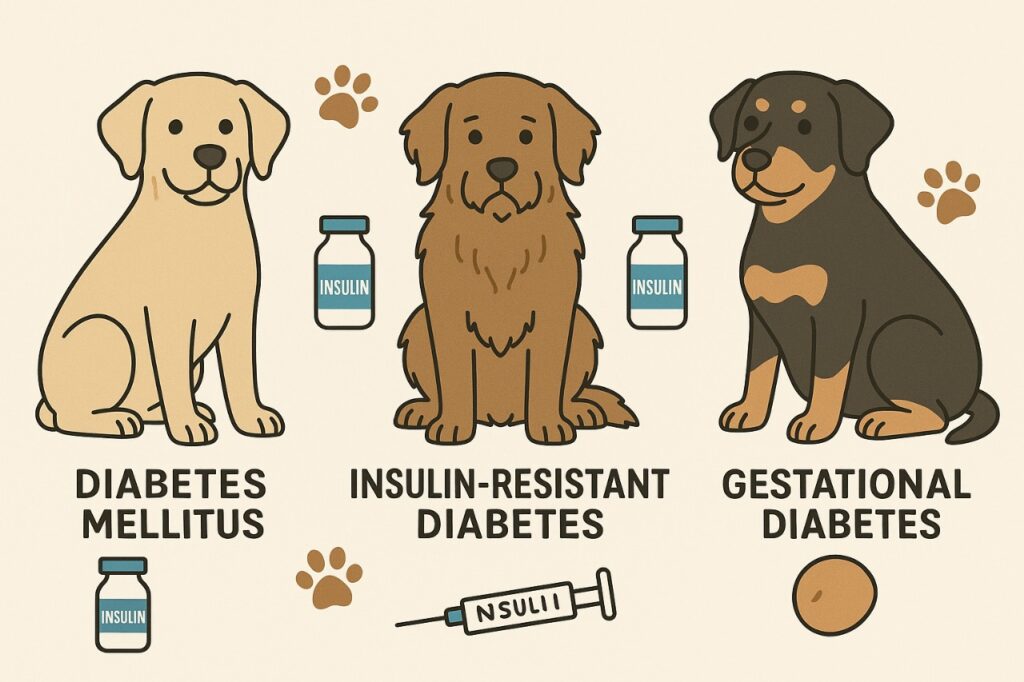
Just as is the case with humans, dogs can have different forms of diabetes, and which one your pooch has will determine the proper dietary care. The most frequent type is diabetes mellitus, which is comparable to human Type 1 diabetes, in which the pancreas does not make enough insulin. Most commonly seen in middle-aged and older dogs, some breeds of dogs (like the Samoyed, Cairn Terrier, and poodles) are predisposed to it.
Approximately 30 to 40 percent of diabetic dogs have the form called insulin-resistant diabetes, which in some ways resembles Type 2 diabetes in humans and is often associated with obesity or chronic pancreatitis. Female dogs can even have gestational diabetes during pregnancy, although it’s uncommon. It’s better to feed each type a little differently from the others, but they all do well on consistent, high-quality nutrition with freshly prepared food. Your vet will help diagnose which type your dog has, but regardless of the diagnosis, a fresh, consistent diet is beneficial.”
.
How Diet Affects a Dog’s Blood Sugar
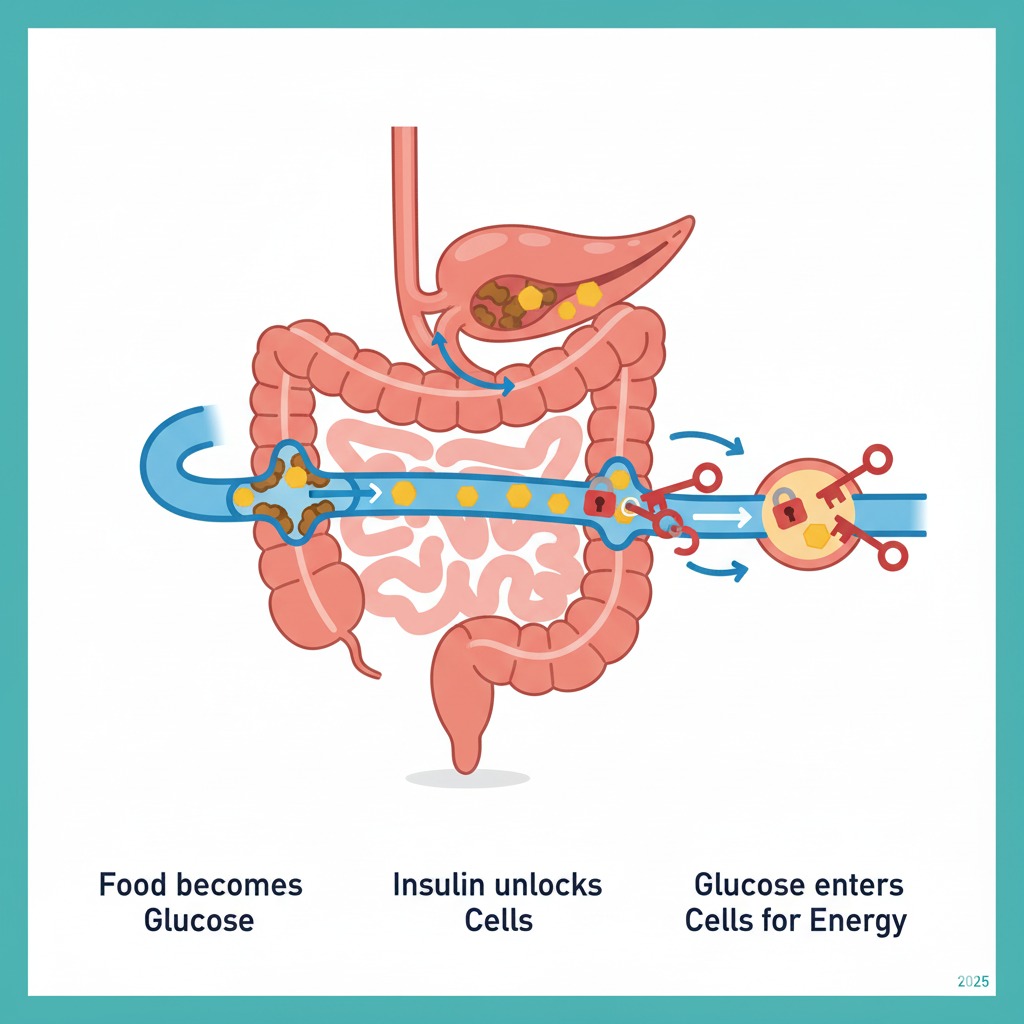
Your dog’s digestive system can be thought of as a refinement plant. It begins when food enters, which is broken down into several different components, such as carbohydrates turning to glucose (sugar), which then moves from the stomach to the bloodstream. In healthy dogs, insulin serves as a key that allows glucose to enter cells for energy use. But in diabetic dogs, this system breaks down — either there’s no key (insulin) or the locks (cell receptors) are faulty.
The Glucose-Insulin Relationship
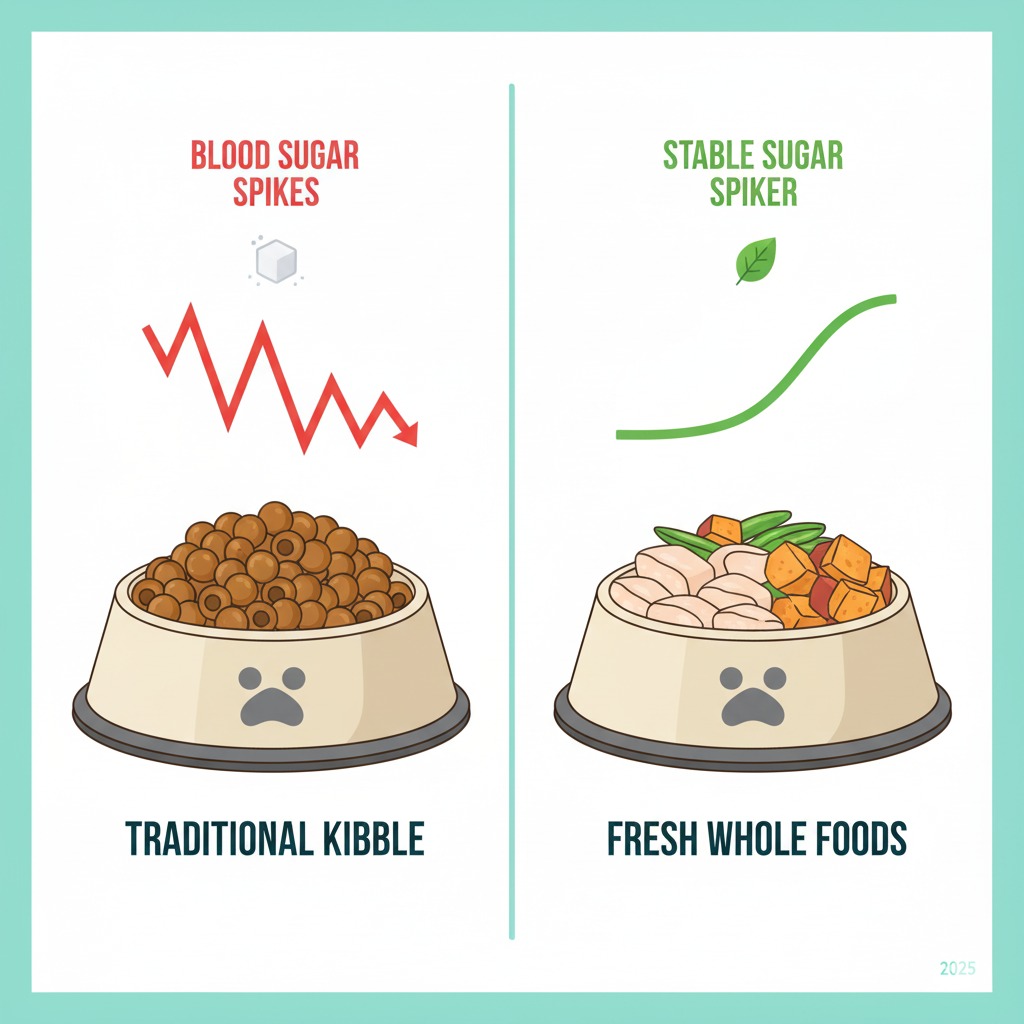
The rate at which food is converted to glucose is everything for diabetic dogs. Most commercial dog foods, especially those high in corn, wheat, and simple carbohydrates, also contribute to sudden glucose spikes—similar to a sugar rush and then the inevitable crash. Fresh food high in complex carbohydrates provides a slow-release effect, keeping blood sugar stable without the sharp highs and lows of processed kibble.. This gradual release helps ensure more even blood sugar levels throughout the day, which can help you maintain a predictable level of insulin and fewer ups and downs in your BGs!.
How Fresh Pet Food Helps Diabetic Dogs
Benefits Over Commercial Kibble
Let’s discuss why that conventional kibble might be working against you as you are attempting to manage your dog’s diabetes. Kibble is made by cooking grain products under high heat, which depletes many essential nutrients. Manufacturers then add synthetic vitamins to replace what’s lost. Far more worrying for diabetic dogs, kibble generally requires starchy binders to hold its form – and these starches are essentially concentrated carbohydrates bound to screw with their blood sugar.
Fresh pet food, in contrast, keeps up the nutritional integrity of whole animals. You’re giving your dog real chicken, not chicken meal; actual sweet potatoes, not potato starch. That means, higher bioavailable nutrients and better protein quality – but most of all, you can guarantee what goes into your dog’s bowl! No hidden sugars, no weird “natural flavors,” and no high-glycemic fillers that send blood sugar on a rollercoaster ride.
“Some diabetic dogs also struggle with allergies — check out our Homemade Food for Dogs with Skin Allergies Guide.”
Nutritional Advantages of Fresh Ingredients
Whole foods offer something processed ones can’t — intact cell structures that naturally slow down digestion and glucose uptake. When your diabetic dog consumes fresh, lightly cooked foods, such as vegetables, now compare this fat with the pulverized, highly processed vegetable powders in kibble that actually slam into your dog’s bloodstream just like a shot of sugar does.
The very quality of protein in fresh food is better for muscle maintenance – a vital benefit too. Fresh meat provides all the essential amino acids in their most natural form, aiding diabetic dogs who may suffer from muscle wasting. Uncooked foods also retain their natural enzymes, which can help improve digestion and reduce the metabolic load on your dog’s already overworked organs. These enzymes aid in digestion, allowing your pet to absorb more nutrients from a smaller portion of food. This, in turn, means you need to feed a smaller portion size, as well as manage body weight, an important factor in any diabetes management program.
Digestibility and Absorption Rates
Here’s something most pet parents may not know: the digestibility of food has a direct connection to how blood sugar is managed.Fresh food typically has a digestibility rate of 85–95%, while kibble is only 60–70%. This means your diabetic dog absorbs more nutrients, leading to steadier energy and better glucose control.”
This enhanced digestibility means that your dog’s body won’t have to work as strenuously to extract nutrients, allowing for more energy to be available for healing and regulating blood sugar. Fresh food is moist and can even make digestion easier; being naturally more hydrating leads to a lower risk of dehydration, which is often associated with kibble. This is something you’ll want to avoid, as it can complicate the management of diabetes. By encouraging better hydration, you’re supporting kidney function, which is crucial for diabetic dogs, as they are at an increased risk of kidney problems.
Essential Nutrients for Diabetic Dogs
Protein Requirements and Best Sources
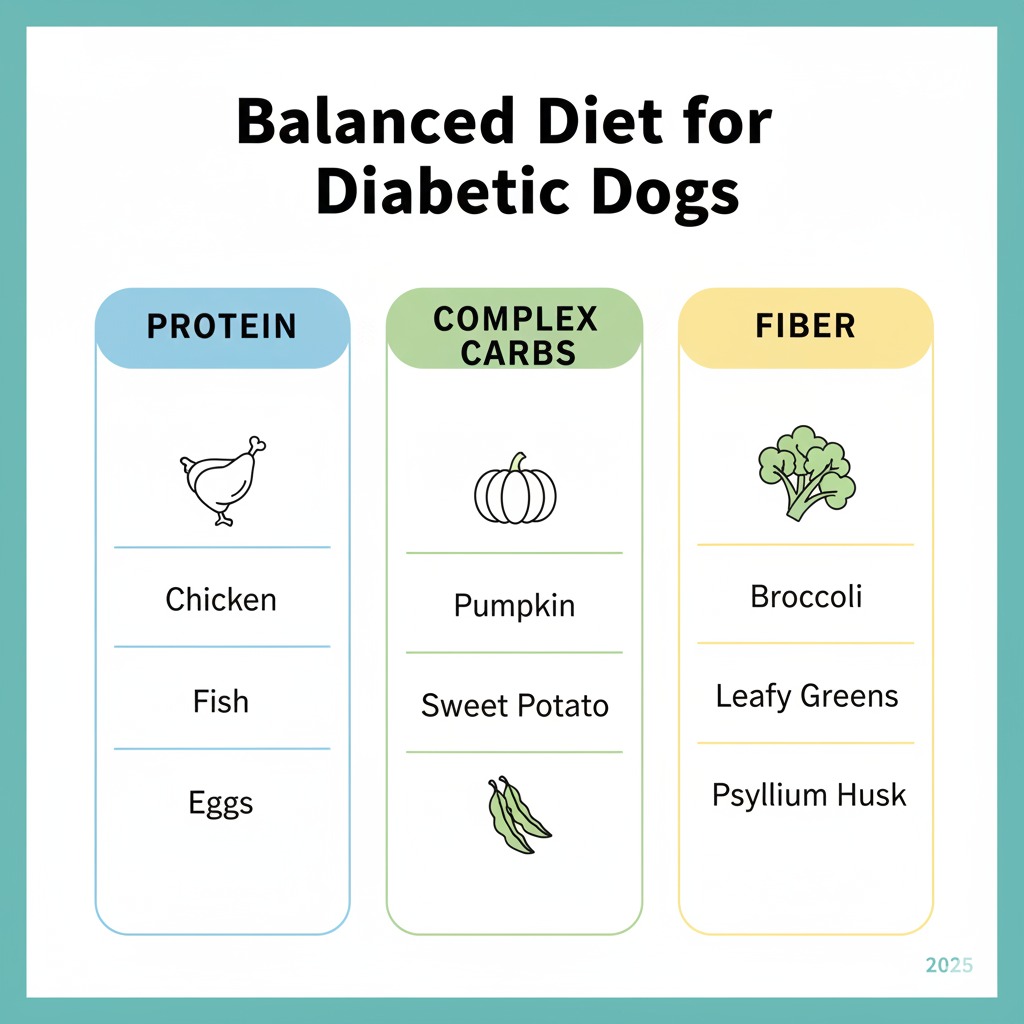
A high-quality protein should have minimal or no impact on blood sugar levels. Solid, calorie-free protein choices are key for maintaining muscle mass, which is essential for good health, as it supports the body’s ability to fight illness and forms the foundation of your diabetic dog’s diet, making up at least 30-40% of his overweight-adjusted energy intake. But not all proteins are made equal. Good sources of lean protein include those with minimal fat, which can support immune system function. Protein is the solid foundation that keeps all the other components in check.
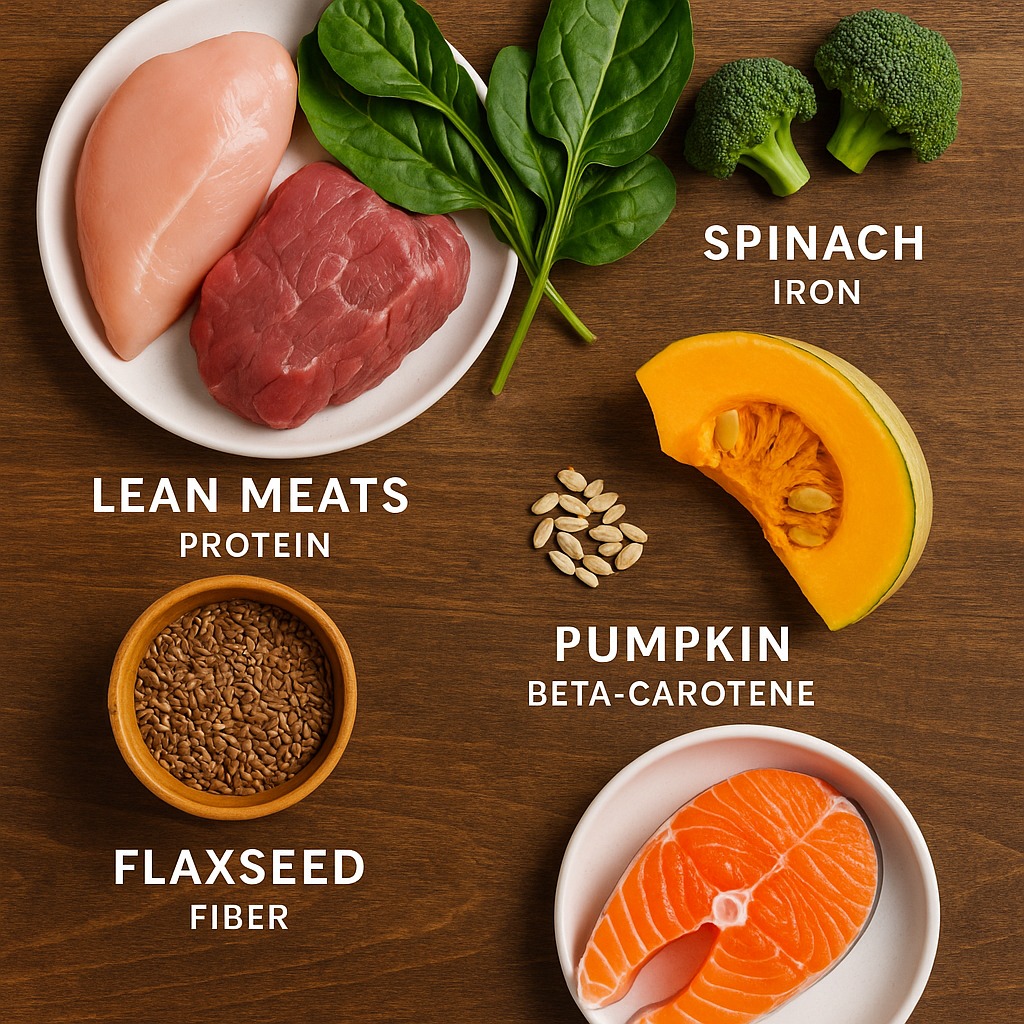
Good sources of protein for dogs with diabetes are lean meats such as chicken breast, turkey, lean beef, and white fish. These will contain fully balanced amino acid profiles with minimal fat, which can cause pancreatitis—a well-known issue in dogs with diabetes. Another great choice is eggs, which are the most BV-abundant protein option. Some dogs will also fare well on novel proteins, including sweet potatoes and pumpkin, for diabetes management.
Complex Carbohydrates vs. Simple Sugars
Although some veterinarians advocate for ultra-low-carb diets in dogs with diabetes, moderate amounts of complex carbohydrates can be beneficial if they’re selected carefully. The keyword is “complex” — these are carbs that break down slowly, releasing a steady stream of energy without causing glucose spikes. Some good options include sweet potatoes, pumpkin, and green beans, which also provide beneficial fiber and nutrients.
But simple sugars and refined carbs are your enemy. These, and anything with added sugar. Even fruits that seem healthy may need to be restricted or avoided altogether due to natural sugars. If dog treats are more than half carbs, they’re not on the Ketogenic side. And really, if carbohydrates are added at all (no more than 20-30% of your dog’s diet – if you include them), you’ve got to match those simple carbohydrate-rich sauces with pure protein.
Fiber and Its Role in Controlling Blood Sugar
Fiber is perhaps the unsung hero in helping to control diabetes. It functions as a traffic controller, those being the dangerous post-meal spikes. But here’s the twist – not all fiber acts the same way, and understanding this can make a dramatic difference to how well your dog keeps its blood glucose levels under control.
Soluble vs. Insoluble Fiber
Soluble fiber is the type that dissolves in water to create a gel-like material; its presence improves digestion and glucose uptake. It’s like a speed bump for sugar.” Sources include pumpkin, sweet potato, and psyllium husk, over time. This type of fiber is particularly beneficial for diabetic dogs, as it has a direct impact on blood sugar levels and can even help enhance insulin sensitivity.
Insoluble fiber,Fresh food typically has a digestibility rate of 85–95%, while kibble is only 60–70%. This means your diabetic dog absorbs more nutrients, leading to steadier energy and better glucose control. The best of both types, combined to provide a synergistic effect that is far superior for supporting digestive health and glucose control.
Fresh Food for Diabetic Dogs: What to Include Mix and Match Ingredients 1.
Lean Protein Options
When creating a new, fresh food diet for your diabetic dog, begin with premium-quality lean proteins as the core ingredient in every meal. Skinless chicken breast is a good source of calories. Turkey is the least, with ground turkey breast being particularly lean at 85% fat content. They have an old accentuated insulin resistance.
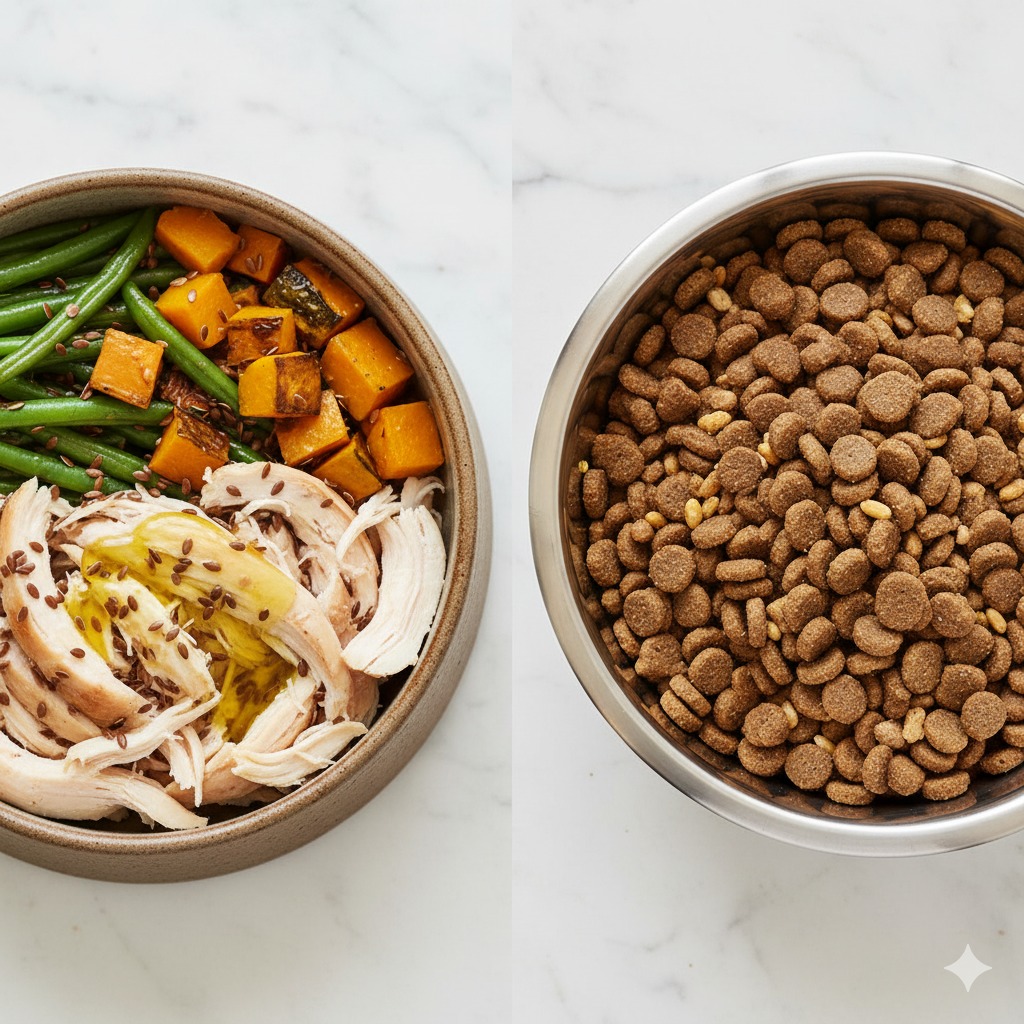
Fish is also worth mentioning, as it is a staple of a diabetic’s diet. White fish and flounders, sources of omega-3 fatty acids, are extremely low in fat. Fats, such as those found in salmon and dairy, in moderation, are beneficial. This contains essential fatty acids, which aid in the reduction of inflammation — a key consideration when managing diabetes. Rotating between several different protein sources will promote diversity in the amino acids your dog receives and can also help to prevent food boredom. This latter point can be especially useful if feeding time has become a bit lackluster after you put your pet on a restricted diet.
Low-Glycemic Vegetables
Where fresh food really shines for diabetic dogs is in the vegetable department. Green beans are a kind of superfood for diabetic dogs – they’re very low in calories, high in fiber, and most dogs enjoy them. You can freshly pick or cut kale leaves, freeze them, or lightly steam them. Additionally, broccoli, cauliflower, and Brussels sprouts are excellent sources of vitamins and minerals, with a low glycemic effect. These cruciferous vegetables are also rich in compounds that could aid in enhancing insulin sensitivity.
Leafy greens, such as spinach, kale, and Swiss chard, are nutritional powerhouses with no carbohydrates. They’re high in magnesium, which is involved in glucose metabolism, and contain antioxidants that help combat the oxidative stress associated with diabetes. Zucchini and cucumber are excellent bulking and hydrating foods that you can consume in larger quantities without adding a significant number of extra calories. Be sure to introduce new vegetables slowly and be on the lookout for any digestive upset, as some dogs can have sensitive skin reactions or other signs of allergies.
Good-for-You Fats and Omega Fatty Acids
Don’t shun fat altogether – diabetic dogs require healthy fats for energy, nutrient absorption, and a lustrous coat. The challenge is in selecting the right kinds and amounts. Omega-3 fats, found in fish oil or ground flaxseed, may help combat inflammation and improve insulin sensitivity. Begin with very small quantities — about a teaspoon per 20 pounds of the dog’s body weight — and increase according to your dog’s reaction.
A dab of coconut oil delivers medium-chain triglycerides (MCTs), which are easily transformed into energy and do not require insulin.. Millions excel on low-carb diets – CarbLite works for him and others. There is some evidence that MCTs could improve nerve function in diabetic dogs with neuropathy. Additional sources of good fat include a dab of olive oil, ground chia seeds, and hemp hearts. Fats are calorie-dense, and you’ll want to measure them out carefully if you’re watching your weight.
Dog Food for Diabetic Dogs: What to Look For (and Avoid)
High-Glycemic Foods
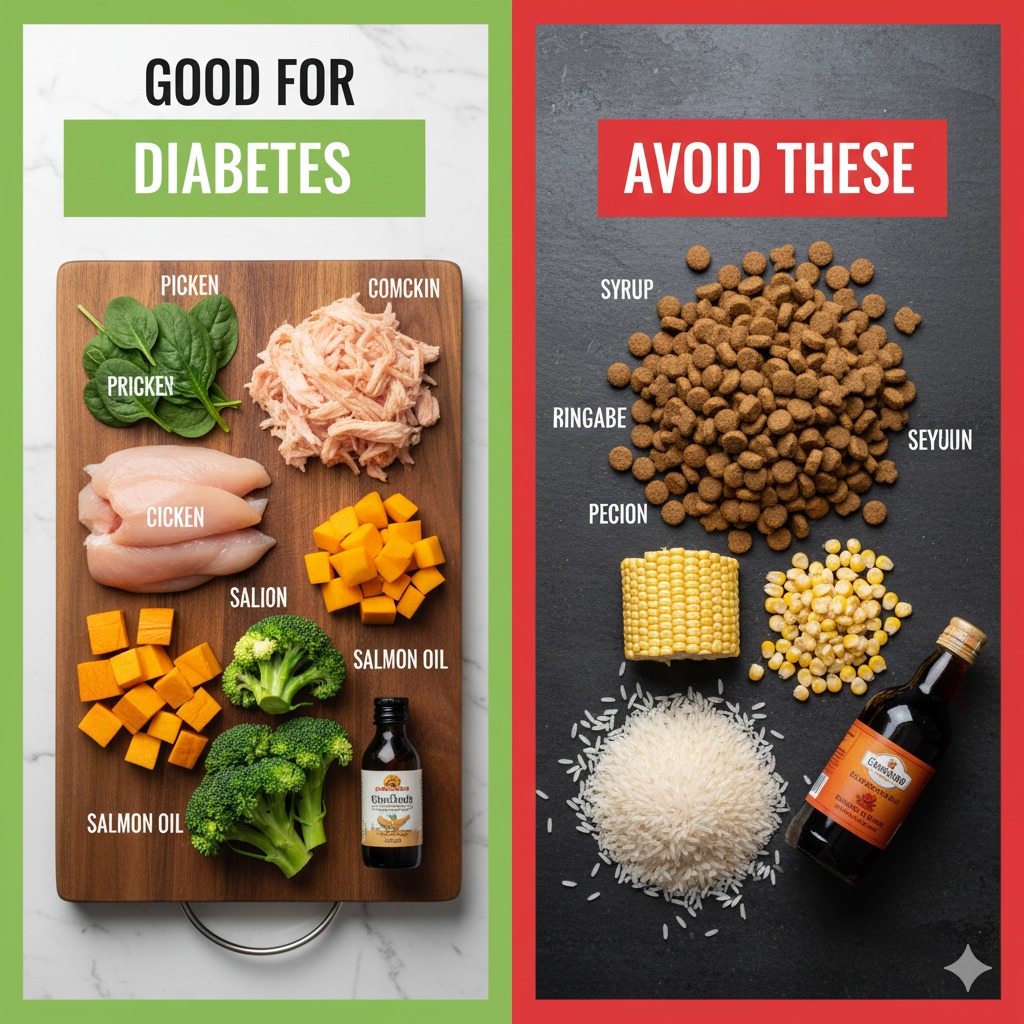
There are even a few foods that may be completely off-limits for diabetic dogs, and being aware of this can help guide your decisions. White Rice – Even though many “sensitive stomach” dog formulas include white rice, it causes a sudden jump in blood sugar. Corn is essentially sugar to a diabetic dog’s body, whether it is whole corn, ground corn, or syrup. Even regular white potatoes — especially if they’re processed or instant — have a high glycemic index, and can send your blood sugar levels on a ride for hours.
Even something that seems healthy can be a challenge. As nutritious as carrots may be, they are also relatively high in natural sugar and should be fed in moderation. There is too much fructose in many fruits, except for small amounts of berries, for diabetic dogs. Honey, molasses, and maple syrup are also out, as they can be slick additives that accompany commercial fare. And even grain-free foods are not necessarily carb-free; they often have potatoes or tapioca instead, which is, in itself, very difficult for your body to handle in terms of blood sugar.
Hidden Sugars and Fillers
The fact is, you will never find sugars and high-glycemic ingredients in pet foods, even if they have a clever name instead. Beet pulp is touted as a source of fermentable fiber; however, leftover sugars can still impact blood glucose levels. That “natural flavor” could be sugar-based molecules. Propylene glycol, which is used to keep semi-moist food soft, is a sugar alcohol that can alter blood sugar levels.
Reading Pet Food Labels
If you’re looking for any commercial product as a fresh food option for your existentially dependent dog, you’ve got to be a label detective. “Ingredients are listed by weight, and I say if you’re seeing any kind of sugar or starch or high-glycemic type ingredients within the first five on the label, leave it on the shelf.” Watch out for words like “meal,” “by-products,” or “digest”—they are not harmful, as there is nothing dangerous in them. However, processed dog food lacks the same nutritional value found in fresh, whole foods. DM% carbohydrate can be calculated by adding up the percentages of protein, fat, fibre, moisture, and ash, then subtracting the total from 100. If this figure is over 20%, you’re probably feeding too high a level of carb choice to a diabetic dog.
Top 5 Best Fresh Pet Food Brands for Diabetic Dogs We Believe in ResponseEntity Marketing!
Prescription Fresh Food Options
Today, several companies offer fresh food diets specifically designed for diabetic dogs. JustFoodForDogs offers a veterinary-formulated, low-carb option that can be purchased from veterinarians or with a prescription. Their recipes use human-grade ingredients and provide detailed nutrient analysis, so you can find a food to suit your insulin dose. The food arrives frozen and is portioned based on your dog’s weight.
The graduated rates for fresh-food recipes. Even veterinarians can formulate personalized fresh food recipes through Balance IT. You do have to prepare your own food, but the offerings provide complete nutrition while allowing you to control your carb intake. It’s a good choice for dogs with multiple health conditions that require dietary management, as recipes can address diabetes and other issues such as kidney disease or allergies.
Commercial Fresh Food Brands
The Farmer’s Dog has become a popular option for diabetic dog owners thanks to its personalized portion options and transparent ingredient lists. While they’re not specifically formulated for dogs with diabetes, their recipes are much lower in carbs than kibble and contain whole food ingredients. Their nutritionists are available for discussions about the low-carb recipes (typically featuring beef or turkey).
Nom Nom delivers fresh, portion-controlled meals with detailed feeding instructions for all dogs and cats, an approach that may be beneficial for dogs with diabetes. Their turkey and beef recipes are particularly good for dogs with diabetes, considering their high protein levels and low carbohydrate content. They also provide pet nutritionist support, which can be particularly important when managing a chronic condition like diabetes.
Customizable Meal Services
Pet Plate distinguishes itself with its customization options and willingness to serve pet parents whose companions have health problems. The site provides the nutritional recipe values of any recipe you choose and enables you to adjust portion sizes based on your dog’s weight requirements. Their food is pre-portioned, so you don’t have to guess how much you’re feeding. It’s a little thing that can make all the difference when you’re trying to keep a dog or cat on an even keel (especially if they have diabetes).

This new dog food subscription service — designed to allow you to personalize meals for your diabetic dog and mix and match proteins if he is allergic to some. They have a portion calculator that takes into account activity level and health considerations, but you can always consult your veterinarian for personalized serving size recommendations. They offer a slow transition to another diet, which is particularly important for diabetic dogs, as your dog may require less insulin
Homemade Fresh Food for Diabetic Dogs.
Basic Recipe Guidelines
Homemade dog food for diabetic dogs offers complete control, but it’s not something to rush into without careful planning and consideration. Typically, recipes contain approximately 40-50% lean protein, 20-30% low-glycemic vegetables, 20- 30% complex carbohydrates (if tolerated), and sources of calcium. Additionally, a dietitian’s help is crucial in supporting clients in making changes to their regular intake and avoiding nutrient deficiencies, which can exacerbate the complications of diabetes.
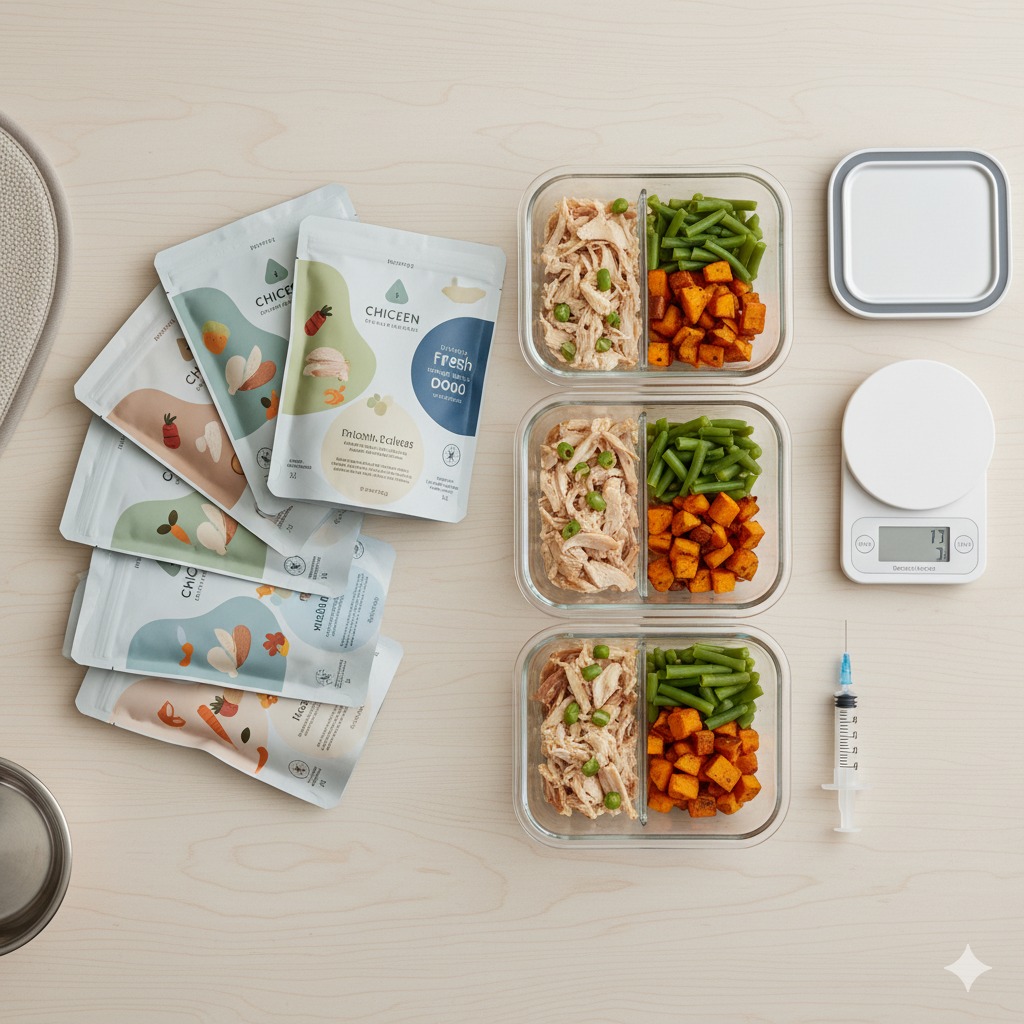
Start with simple recipes and build upon them one card at a time. For example, a meal might include boiled chicken breast with steamed green beans, a small amount of boiled pumpkin, and a calcium supplement. Ensure that you cook your protein thoroughly, but avoid using high-heat methods that can create so-called advanced glycation end products (AGEs) and potentially harm individuals with diabetes. You can also steam vegetables lightly or savour them as they are; whip up a quick blend for more ways to enjoy. Make batches and freeze them individually for the same taste when you crave it.
“Maintain healthy weight and blood sugar balance with Wellness CORE Grain-Free Reduced Fat on Amazon.”
Portion Control and Meal Timing
Portion control becomes even more important when cooking with fresh foods for people with diabetes. If your dog is overweight, do not calculate their caloric needs based on their current weight; use their ideal body weight, not their current weight. Divide the daily calories into meals at regular times – most diabetic dogs do best on a regimen of two or three meals per day, eaten at approximately 12-hour intervals. Weigh servings with a kitchen scale: small variations can have a noticeable impact on your blood sugar management.
Coordinating with Insulin Schedule
Tweaking meals with tailored insulin advice would be within a reasonable range, generally not far off. Observe your day. Most dogs receive their insulin just after they finish eating, to ensure they have eaten before dosing. And because fresh food’s nutrient profile doesn’t have the same changes from one batch to another, like kibble ingredients can, glucose response is more predictable.” Write down the time, the amount you fed, the amount of insulin given, and the glucose reading.From here, you’ll be able to track how it corresponds with your dog’s feeding times.
For a twice-daily insulin dog, give him half his daily food with each shot. For some dogs, they may do better to manipulate the second dip in glucose that occurs after the afternoon lull by offering them a “lunch” of lower-calorie items (green beans or cucumber slices). Never administer insulin for a meal without food, and have an alternative (e.g., low-sodium chicken broth with some food) available for use on days with a decreased appetite.
Transitioning to Fresh Food
Gradual Introduction Methods
If you are transitioning a diabetic dog to fresh food, it does take time and patience. Start with 10% of the old food and new food for 2 – 3 days. Keep going!SLink to this post -..If your blood sugar is stable and your stool is normal, increase your intake of fresh food to 25% and continue for an additional 2-3 days. Step 10: Continue this process for approximately 2-3 weeks until you have completely converted. This gradual acclimation allows your dog’s system time to adapt, enabling you to identify any issues before they become severe.
Continue the child’s regular diet and insulin program while they are sick. Your dog may require less insulin once you notice changes to their diet – this is expected, but be sure to speak with your veterinarian. Most dogs will respond positively to better glucose control. However, the degree of change from a dog being in trouble one day can be nothing short of dramatic the next – or more likely over weeks as their bodies adjust to regulated blood sugar. Keep a written journal of everything — what you fed him, when and how much; any changes in his energy level or appetite; differences in bathroom habits.
Monitoring Blood Glucose During Transition
Further sensible monitoring of blood sugar is necessary during transition. “If you’re not home glucose testing, start it. As well, test your dog’s blood sugar at mealtimes and its glucose curve. Controlling blood sugar would depend on more frequent testing, but that is a short-term investment in long-term health.
Watch for symptoms of hypoglycemia (low blood sugar) and seek emergency help if you have: weakness, shaking, confusion, slurred speech, or seizure. Your dog might also require less insulin, since fresh food usually entails a smaller dose of insulin than processed food. Do not change your insulin dose on your own – work with your veterinarian to slowly adjust it using glucose curves. Keep a handful of packets on hand for hypoglycemic emergencies, but be aware that these are emergency treatments, not something to take regularly.
Cost Considerations and Budgeting
Price Comparison with Traditional Foods
Let’s get this out of the way: fresh food is more expensive upfront than kibble. New commercial dog food generally falls in the middle ground in terms of price compared to premium dry foods. However, such a simple comparison overlooks the broader context. Think of the savings in expensive veterinary bills for better-managed diabetes, fewer complications, and possibly lower doses of insulin over time.
Homemade food can also be cheaper, especially if you are skilled at finding deals. Buy proteins in bulk and use seasonally fresh veggies when doing one-pot batch cooking. This more tightly controlled diabetes (2) can total $2 to $4 per day for a medium-sized dog. Combine that with the peace of mind that comes from knowing exactly what your dog is eating, and perhaps a longer, healthier life, not to mention fewer chew toys (they have strong teeth) and less smelly breath, which makes you wonder why anyone who can comfortably afford it isn’t doing raw. In the end, most pet parents discover that they actually spend less money on vet care and medication!
Money-Saving Tips
Many economic measures can be used without sacrificing any value in terms of freshness. Preferred proteins are bought in bulk on sale, portioned out, and frozen. Meat is going on sale for the simple reason that in many grocery stores, it’s a day or two past its sell-by date (which is still safe to eat when cooked and consumed immediately, or stored in the freezer). (Take it a step further: Trim and skin chicken thighs or grind your own turkey.)
Grow your own dog-friendly veggies or purchase in-season choices at farmers’ markets instead. Frozen vegetables are usually less expensive than fresh and are equally nutritious. Befriend your butcher – there’s plenty of lean trim or even organs that are great for dogs and come at a low cost. You might also consider coordinating with other pet parents to make a bulk purchase, allowing you to obtain them at a wholesale price. Some have introduced subscription discounts or multi-dog pricing models that can reduce the cost by 10% to 20%.
Common Mistakes to Avoid
Overfeeding and Treat Management
The No. 1 mistake I see pet parents make with fresh food is overfeeding it because they believe it’s “healthier” than kibble or canned foods. Fresh food is not only more moist, but also tends to be higher in calories compared to kibble with higher fat levels. Portion Follow very carefully measured portions – however much they plead with those sweet devil eyes. You will need a kitchen scale, not measuring cups — they’re too imprecise for baking. A “heaping” cup can contain 20%–30% more calories than a level cup.
Treats are another minefield for diabetic dogs. Those “one little” bites can accumulate and wreak havoc on blood sugar levels. If you need to layer in a reward, ensure the treats are part of their daily calorie count and select low-glycemic options, such as small chunks of cooked chicken or green beans. Even better, make some of their normal food training treats. Other pet owners save some of their bites in a separate container for treats later on, keeping track of how much they’ve eaten.
Inconsistent Feeding Schedules
Diabetes thrives on consistency, and not eating at your regular mealtime can certainly disrupt the pattern. Even some diets could be dangerous, because eating at different times every day could make it very hard to manage your blood sugar level and result in life-threatening mismatches between the amount of insulin and the quantity of glucose. Create a regular feeding schedule for your dog and stick to it – your dog’s body will become accustomed to its pattern, and the pancreas’s glucose performance will be more controlled.
Heavy weekend agendas can become a barrier even to the best-intentioned pet parents. “Sleeping in may feel good to you, but a diabetic dog’s body has been conditioned on receiving food and insulin at certain hours. You can change your schedule and test more often, such as 8 times a day (or four times daily if you are not from the USA), instead of $0.50-$2 (found with green beans and cucumber). Program alarms to keep you on schedule, and get family members trained as backup feeders. Hey, diabetes care is a marathon, not a sprint – these little things done over time matter more than perfection.
Conclusion
Caring for your dog’s diabetes with fresh dog food is more than just a shift from kibble to real ingredients; it’s a way to take back control of your pet’s health truly. “You can offer something that prescription diet food and processed food cannot, which is complete control and transparency about what you’re putting into your dog’s body.” Diet is one way you can help your diabetic dog to balance blood sugar – (or any pet, for that matter … controlling a diabetic dog’s diet can get results.)
At first, that might feel like a lot to conquer, and you might feel stumped on meal planning for the days ahead. Yet what many pet owners discover is this: Once you learn how to make fresh food work within your schedule, managing blood sugar can be less difficult and easier than harder. Nearly all dogs – not only are they more active (with better control of glucose), but most will often find a gradual reduction in the amount of insulin that they need. While fresh food alone won’t cure diabetes, it is a powerful tool that, when combined with proper veterinary care and monitoring, can help your dog live a longer, healthier, and more comfortable life after diagnosis.
Frequently Asked Questions (FAQs)
How quickly can I expect to see lower glucose levels in my dog if I switch her to a fresh food diet?
The majority of pet parents report stabilizing their dog’s blood glucose within 1-2 weeks on fresh food, but full stability can take anywhere from four to six weeks. Good to go? First “gains” are usually indicated by readings leveling off and fewer spikes after meals. We typically find that energy levels are generally higher during the first week as blood sugar levels stabilize. And it takes longer for the full impact to register. The secret is to watch and wait – do not lose hope. Carefully monitor all changes and work with your veterinarian to intervene if necessary during this transition time.
My dog has diabetes. Is it all right to feed him both fresh and kibble recipes?
Theoretically, you can mix fresh and dry (or canned) food, but for dogs with diabetes that require stable, predictable nutrition, this is a less-than-ideal approach to feeding. There are multiple enzymes involved in the digestive process, each one designed to work on a specific type of food and digest it at a different rate. For instance, on the way up is the fact that fresh food digests completely in 4-6 hours, whereas kibble needs 8-12 hours to digest. According to their ancestral ways, dogs should be fed once per day. This variance in how long it takes for food to “digest” can cause unpredictable blood sugar trends and result in unwanted gaps and overlaps between mealtime insulin doses. If you can’t incorporate single foods due to cost, add them to the meals at separate times (not combined) and in the same ratios, so that you can have a predictable glucose response.
Is Raw or Fresh Cooked Food Best for a Diabetic Dog?
Both unseasoned raw foods and vegetables, especially when lightly seasoned, can also be beneficial for a dog with diabetes. However, typically cooked food is better for diabetic dogs for several reasons. ‘Some nutrients can be more bioavailable when cooked, and it kills bad bacteria’: A particularly important factor because diabetes can affect the immune system. Cooking also begins to break down proteins and fibers, rendering them more digestible to humans and allowing us to better anticipate how the glucose in these foods is absorbed. If you’re feeding raw, work with a veterinary nutritionist who is familiar with the specifics of diabetic dog diets and monitor blood sugar levels more closely when making the change.
What to do about begging in my diabetic dog when we are trying to switch over to portion-measured fresh food?
Begging often ramps up in the beginning, as people’s food may be a whole lot more attractive to dogs than their own. One way to counteract this is by adding low-calorie ‘bulk’ to meals, which can aid digestion in particular. All beef up our zucchini without raising blood sugar. Split the day’s normal food intake into small meals if your insulin regimen allows. Encourage mealtime to last longer with puzzle feeders or slow-feed bowls. But more than anything, be strong — giving in to begging may end up leading to unstable blood sugar and all that hard work down the drain. Dogs will generally adjust to new amounts of food within 2-3 weeks, provided you are consistent in your approach.
What do I do if my dog won’t eat their fresh food and it’s time for insulin?
Never administer insulin to a dog that is not eating, as this could be fatal, and their blood sugar will not drop dangerously low. And if the fragrance is not sufficiently fragrant for your four-legged friend, try gently warming it or adding a splash of low-sodium chicken broth. If you can’t get your dog to eat, offer them a small amount of their regular food and then administer the insulin. If you notice hypoglycemia, call your veterinarian to recalculate the insulin dosage immediately. As the saying goes, ‘be prepared!’ You could even have a ‘stand by spare’ emergency meal – most dogs with diabetes won’t say no to some plain cooked chicken or low-fat cottage cheese, which you might well keep in your freezer. If your refusal of food is due to stubbornness, talk to your veterinarian about any underlying medical concerns.
The majority of pet parents report stabilizing their dog’s blood glucose within 1-2 weeks on fresh food, but full stability can take anywhere from four to six weeks. Good to go? First “gains” are usually indicated by readings leveling off and fewer spikes after meals. We typically find that energy levels are generally higher during the first week as blood sugar levels stabilize. And it takes longer for the full impact to register. The secret is to watch and wait – do not lose hope. Carefully monitor all changes and work with your veterinarian to intervene if necessary during this transition time.
Theoretically, you can mix fresh and dry (or canned) food, but for dogs with diabetes that require stable, predictable nutrition, this is a less-than-ideal approach to feeding. There are multiple enzymes involved in the digestive process, each one designed to work on a specific type of food and digest it at a different rate. For instance, on the way up is the fact that fresh food digests completely in 4-6 hours, whereas kibble needs 8-12 hours to digest. According to their ancestral ways, dogs should be fed once per day. This variance in how long it takes for food to “digest” can cause unpredictable blood sugar trends and result in unwanted gaps and overlaps between mealtime insulin doses. If you can’t incorporate single foods due to cost, add them to the meals at separate times (not combined) and in the same ratios, so that you can have a predictable glucose response.
Both unseasoned raw foods and vegetables, especially when lightly seasoned, can also be beneficial for a dog with diabetes. However, typically cooked food is better for diabetic dogs for several reasons. ‘Some nutrients can be more bioavailable when cooked, and it kills bad bacteria’: A particularly important factor because diabetes can affect the immune system. Cooking also begins to break down proteins and fibers, rendering them more digestible to humans and allowing us to better anticipate how the glucose in these foods is absorbed. If you’re feeding raw, work with a veterinary nutritionist who is familiar with the specifics of diabetic dog diets and monitor blood sugar levels more closely when making the change.
Begging often ramps up in the beginning, as people’s food may be a whole lot more attractive to dogs than their own. One way to counteract this is by adding low-calorie ‘bulk’ to meals, which can aid digestion in particular. All beef up our zucchini without raising blood sugar. Split the day’s normal food intake into small meals if your insulin regimen allows. Encourage mealtime to last longer with puzzle feeders or slow-feed bowls. But more than anything, be strong — giving in to begging may end up leading to unstable blood sugar and all that hard work down the drain. Dogs will generally adjust to new amounts of food within 2-3 weeks, provided you are consistent in your approach.
Never administer insulin to a dog that is not eating, as this could be fatal, and their blood sugar will not drop dangerously low. And if the fragrance is not sufficiently fragrant for your four-legged friend, try gently warming it or adding a splash of low-sodium chicken broth. If you can’t get your dog to eat, offer them a small amount of their regular food and then administer the insulin. If you notice hypoglycemia, call your veterinarian to recalculate the insulin dosage immediately. As the saying goes, ‘be prepared!’ You could even have a ‘stand by spare’ emergency meal – most dogs with diabetes won’t say no to some plain cooked chicken or low-fat cottage cheese, which you might well keep in your freezer. If your refusal of food is due to stubbornness, talk to your veterinarian about any underlying medical concerns.